


Strength · Lean Mass†
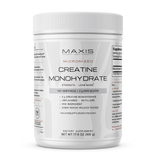
Micronized Creatine Monohydrate
- Supports increases in strength and lean body mass when combined with resistance training.†
- 5 g creatine per scoop
- 1 to 2 scoops (5 to 10 g) daily
Ships from Sparta, NJ within 1 business day · Standard 2–5 days (free $75+) · Priority 1–3 days $11.95
- Made in USA
- cGMP facility
- Every dose disclosed
Better together
Complete the Strength Stack — save 10%
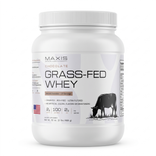
$96.99Separately $107.98
Includes this product. Or $92.33 (14% off) with Subscribe & Save; renews Creatine every 100 days at $38.69; Whey every 30 days at $58.49, minimum 2 deliveries, then skip or cancel anytime.
Key ingredient

5g
Micronized Creatine Monohydrate
Your body makes creatine and gets more from meat and fish, and about 95% of it is stored in skeletal muscle.
Supplement Facts
Serving size: 1 Scoop (5 g)
Servings per container: 100
| Amount per serving | Amount | % DV |
|---|---|---|
| Micronized Creatine Monohydrate | 5 g | * |
*Daily Value not established.
Other ingredients: None.
Dietary
Free from
Sugar, salt, dairy, yeast, wheat, gluten, corn, fish, shellfish, peanuts, soy, tree nuts, sesame, preservatives, artificial colors, artificial flavors.
Manufacturing
Made with globally sourced ingredients in an NPA GMP-certified, third-party audited, FDA-registered cGMP facility.
Cautions
For adults. If you are pregnant or breastfeeding, under 18, have a kidney condition, or take any medication, consult a healthcare professional before use.
Creatine raises blood creatinine, a marker used in kidney tests. Tell your doctor you take it before any blood work.
Stop taking it and talk to a healthcare professional if you notice any adverse reaction.
Keep out of reach of children.
How to use
- Serving
- 1 scoop (5 g)
- Mix with
- 8 oz water
- Flavor
- Unflavored
- Net weight
- 500 g (17.6 oz)
Adults: mix one scoop (5 g) into 8 oz of water. Take it once or twice a day, or as directed by a healthcare professional. Take it every day, including rest days, so muscle stores stay topped up. One scoop a day lasts 100 days; two scoops a day, 50 days. Store in a cool, dry place away from direct light, with the lid closed.
Who it's for
- Strength training and other resistance work
- Sports built on short, repeated bursts: sprints, lifts, team sports
- Adults over 50 who strength train
- Vegan and gluten-free diets
Not recommended for
- Endurance-only training; the benefit is in short, high-intensity efforts
- Anyone with a kidney condition, without medical advice
- Anyone pregnant or breastfeeding, or under 18, without medical advice
- Drug-tested athletes who need a certified product; this one carries no banned-substance certification
- Anyone after a flavored drink; this is unflavored
FAQ
Do I need a loading phase?
No. The label directs one or two scoops a day. At 3 to 5 g a day, muscle stores fill up in about three to four weeks. Loading, usually 5 g four times a day for five to seven days, gets there faster but is not required.
One scoop or two?
One scoop gives 5 g, the top of the 3 to 5 g a day range used to keep stores full once they are topped up. The label allows a second daily scoop. At two scoops a day, the tub lasts 50 days.
When should I take it?
Any time you will remember, every day, including rest days. Creatine works by keeping muscle stores full, so taking it daily matters more than the time you take it.
Will it make me gain weight?
Some people gain a little weight in the first weeks, mostly from water held inside muscle. It is the most commonly reported effect of creatine.
Is creatine safe for my kidneys?
Research at recommended doses has not found kidney damage in healthy people. Creatine does raise blood creatinine, a marker doctors use to check kidney function, so tell your doctor you take it before blood work. If you have a kidney condition, ask your doctor before using it.
Does creatine cause hair loss?
One small 2009 study in rugby players reported a rise in DHT after creatine loading. It did not measure hair, and no study has shown that creatine causes hair loss. A 2021 review concluded that the evidence does not support a link.
Is it only for men?
No. Creatine has been studied in women and men, and in older adults. A meta-analysis of adults aged roughly 57 to 70 found more lean mass and strength gains with creatine than with placebo during resistance training.
What does micronized mean?
The creatine monohydrate is milled to a finer particle size, so it mixes into water more easily and stays suspended longer. It is the same compound.
Where and how is it made?
In the USA, with globally sourced ingredients, in an NPA GMP-certified, third-party audited, FDA-registered facility that follows FDA's cGMP rules for dietary supplements (21 CFR Part 111). Every batch is tested by HPLC or capillary electrophoresis for creatinine, dicyandiamide and dihydrotriazine, the byproducts of how creatine is made.
What can I mix it with?
It is unflavored, so it goes into water, juice, a protein shake or a smoothie without changing the taste. The label directs one scoop in 8 oz of liquid.
Is it vegan?
Yes. It is one ingredient, creatine monohydrate, and is vegan, gluten free and non-GMO.
Who should check with a doctor first?
Anyone pregnant or breastfeeding, under 18, with a kidney condition, or taking medication.
Can I use it if I compete in a tested sport?
Creatine is not a banned substance, but this product does not carry a banned-substance certification such as NSF Certified for Sport or Informed Sport. If you compete under anti-doping rules, check with your governing body before using any supplement.
What research is behind the ingredients?
-
The International Society of Sports Nutrition reviewed the research on creatine. Supplementation raises muscle creatine and phosphocreatine by 20 to 40%. Stores can be filled quickly with 5 g four times a day for five to seven days and then kept up with 3 to 5 g a day, or filled gradually with 3 g a day over about four weeks. The authors conclude that short- and long-term use is safe and well tolerated in healthy people.
Kreider RB, Kalman DS, Antonio J, et al. International Society of Sports Nutrition position stand: safety and efficacy of creatine supplementation in exercise, sport, and medicine. J Int Soc Sports Nutr. 2017;14:18. Source (opens in a new tab)
-
A meta-analysis pooled 53 randomized, placebo-controlled studies with 563 people taking creatine and 575 taking placebo. Creatine improved upper-body strength in efforts lasting under three minutes, including the bench press, and the effect held regardless of the population, training program, dose or duration studied.
Lanhers C, Pereira B, Naughton G, Trousselard M, Lesage FX, Dutheil F. Creatine Supplementation and Upper Limb Strength Performance: A Systematic Review and Meta-Analysis. Sports Med. 2017;47(1):163–173. Source (opens in a new tab)
-
A meta-analysis of 22 studies in 721 men and women, with average ages of 57 to 70, compared creatine with placebo during resistance training. The creatine groups gained an average of 1.37 kg more lean tissue mass and improved more in chest press and leg press strength. The authors reported no conflicts of interest.
Chilibeck PD, Kaviani M, Candow DG, Zello GA. Effect of creatine supplementation during resistance training on lean tissue mass and muscular strength in older adults: a meta-analysis. Open Access J Sports Med. 2017;8:213–226. Source (opens in a new tab)
-
A 2021 review of common questions found that research does not support claims that creatine at recommended doses causes dehydration, muscle cramps or hair loss in healthy people. It notes that creatine can raise blood creatinine, so tell your doctor you take it before blood work.
Antonio J, Candow DG, Forbes SC, et al. Common questions and misconceptions about creatine supplementation: what does the scientific evidence really show? J Int Soc Sports Nutr. 2021;18:13. Source (opens in a new tab)
Research describes the ingredients, not this finished product. It is not a claim that this product diagnoses, treats, cures or prevents any disease.
Pairs well with
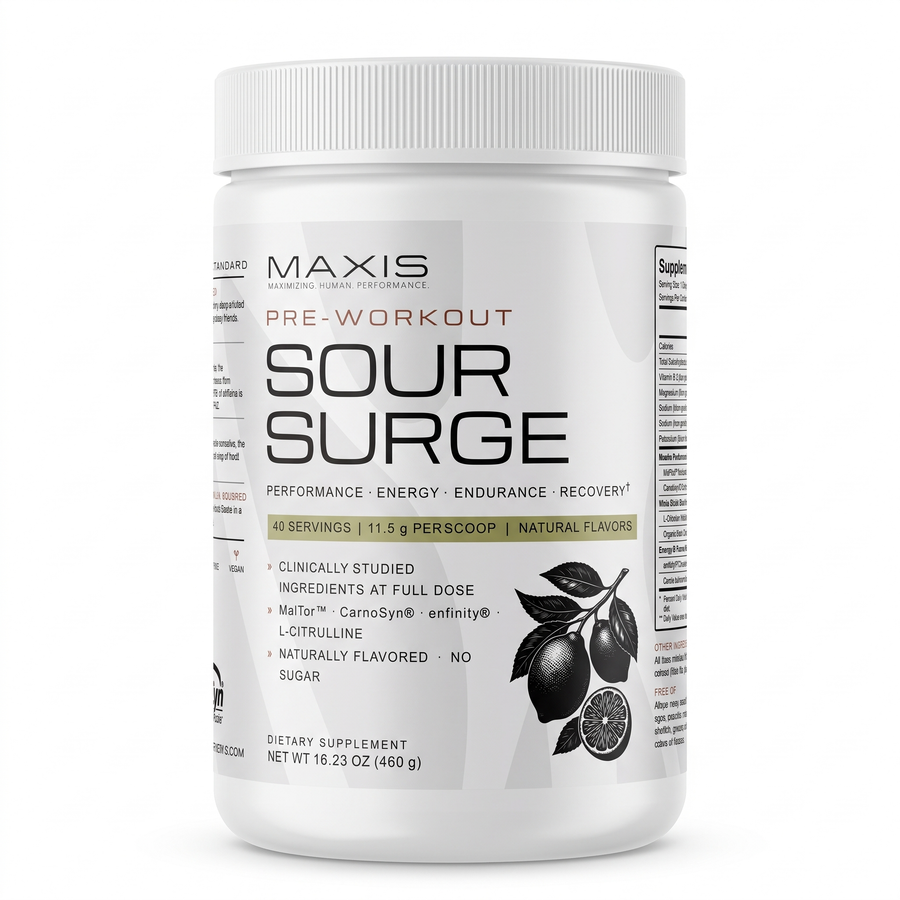
Paraxanthine Pre-Workout – Sour Surge
No creatine in the pre-workout, so the two do not overlap.
$49.99 · $1.85/serving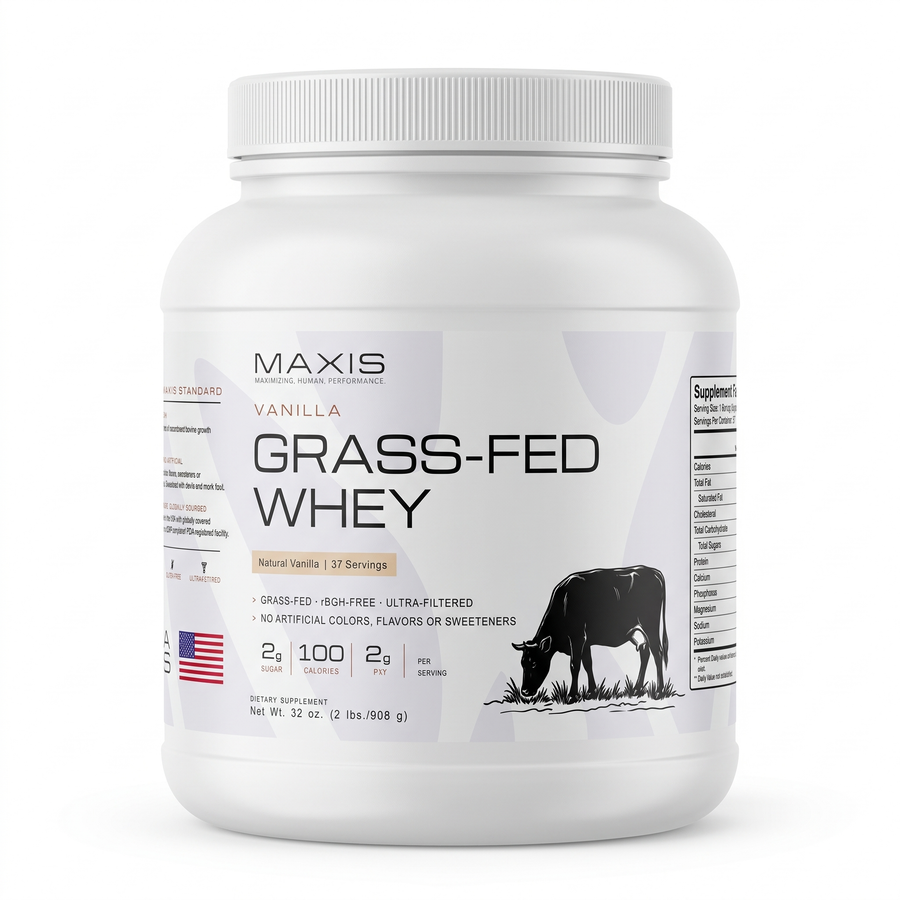
Grass-Fed Whey Protein (Vanilla)
Protein for the resistance training creatine is studied with.
$64.99 · $1.75/serving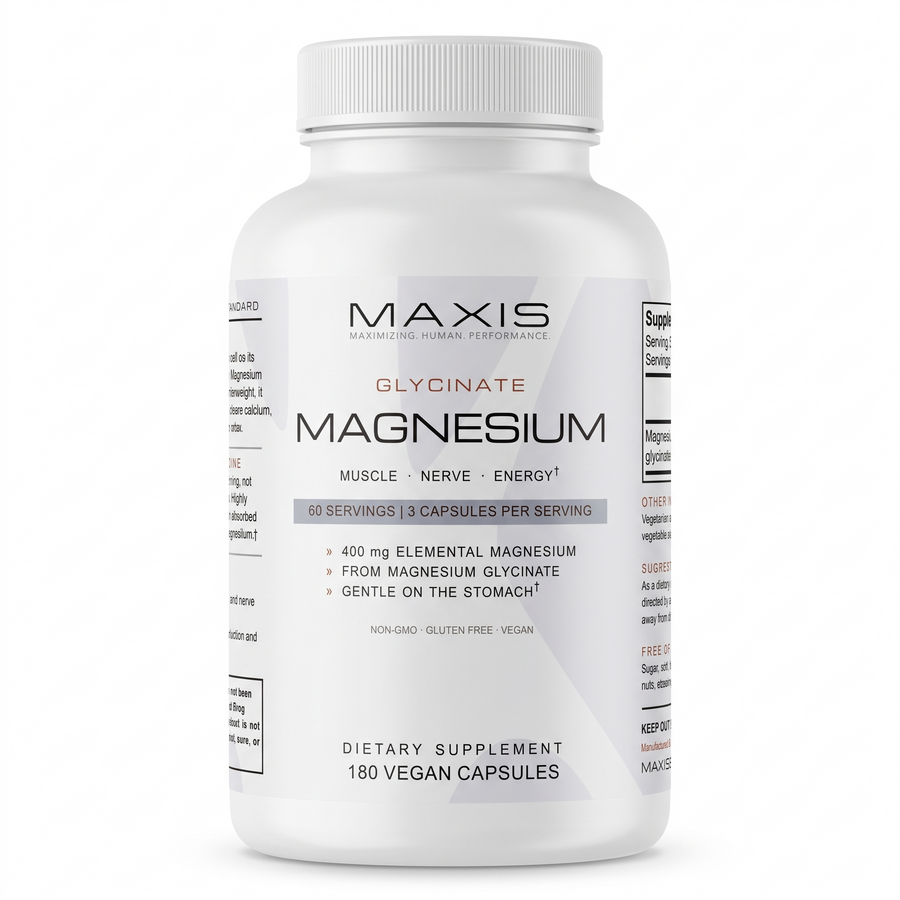
Magnesium Glycinate
Magnesium takes part in muscle function and energy metabolism.†
$39.99 · $0.66/serving†These statements have not been evaluated by the Food and Drug Administration. This product is not intended to diagnose, treat, cure, or prevent any disease.
The MAXIS Journal
Read the research


Reviews
No reviews yet. Be the first to review this product.