
Fig.00 — Product


Omega-3 Fish Oil (EPA + DHA)
$29.99
ESSENTIAL · OMEGA-3
Omega-3 Fish Oil (EPA + DHA)
HIGH-POTENCY EPA + DHA · 1,200MG OMEGA-3 PER SERVING · MOLECULARLY DISTILLED · 30 SERVINGS
§ What's inside — every active, every dose
Fish Oil Concentrate
Molecularly distilled, from anchovy, mackerel, sardine, skipjack, and tuna
2400mg
EPA (Eicosapentaenoic Acid)
Long-chain omega-3 fatty acid
720mg
DHA (Docosahexaenoic Acid)
Long-chain omega-3 fatty acid
480mg
Softgel Shell
Gelatin, Glycerin, Purified Water
—
Mixed Tocopherols
Inactive ingredient
—
0 proprietary blends · 100% of doses disclosed
⚠ Contains:Contains fish (anchovy, mackerel, sardine, skipjack, tuna). No added sugar, starch, preservatives, artificial colors, flavors, additives, corn, wheat, yeast, soy, or dairy.
Non-GMO
Gluten Free
Molecularly Distilled
Made Under cGMP
FDA-Registered Facility
Concentrated fish oil delivering 720mg EPA and 480mg DHA per 2-softgel serving — meaningfully more omega-3 than the typical 1,000mg fish oil softgel. Molecularly distilled and tested for purity, potency, heavy metals, and rancidity. Sourced from anchovy, mackerel, sardine, skipjack, and tuna.
Great for
- Adults whose diets include little to no fatty fish
- Anyone supporting normal cardiovascular and brain function
- Athletes and active people supporting joint comfort
- Those wanting a higher-potency option than basic 1g fish oil
- Pairs with vitamin D3 and a daily multivitamin
Not ideal for
- Anyone with fish allergies
- Those taking blood-thinning medications without medical guidance
- Pregnant or breastfeeding individuals without medical guidance
- Strict vegetarians or vegans (gelatin softgel + fish-derived oil)
EPA and DHA are what omega-3 actually does. Most fish oil products list "1,200mg fish oil" but only contain 300mg of actual EPA+DHA — the rest is filler oil. We list EPA and DHA directly: 720mg EPA, 480mg DHA per serving.
How it's made & verified
FDA-Registered Manufacturing
Produced in a US manufacturing facility registered with the FDA for dietary supplement production. The registration is independently maintained and subject to federal inspection.
Made Under cGMP Standards
Production adheres to current Good Manufacturing Practices, the federal framework that governs identity, purity, strength, and composition of every batch. All processing happens in dedicated clean rooms designed to prevent cross-contamination.
Molecularly Distilled
The fish oil is processed through molecular distillation — a separation method that removes environmental contaminants while concentrating the active EPA and DHA fractions. This is the standard process for high-quality fish oils.
Tested for Purity, Potency, Heavy Metals, and Rancidity
This product undergoes specific testing for the four parameters that matter most in fish oil: actual EPA/DHA content, heavy metals (mercury, cadmium, lead, arsenic), and oxidation markers that indicate rancidity.
High-Concentration Formula
Each 2-softgel serving delivers 1,200mg of total EPA + DHA — meaningfully more concentrated than typical 1,000mg fish oil softgels, which usually contain only 200–300mg of actual omega-3.
Stabilized with Mixed Tocopherols
Naturally-derived vitamin E is used to prevent oxidation, helping the oil stay fresh and active throughout shelf life. Rancid fish oil loses potency and develops the off-taste many people associate with low-quality fish oil.
Manufactured in the USA. Fish oil sourced from anchovy, mackerel, sardine, skipjack, and tuna. Molecularly distilled for purity.
On the ingredients · publicly verifiable
Cardiovascular Function
EPA and DHA supplementation is associated with maintained normal blood lipid profiles and supports cardiovascular function in healthy adults.
Skulas-Ray et al., 2019. Omega-3 fatty acids for the management of hypertriglyceridemia: a science advisory from the American Heart Association. Circulation, 140(12):e673-e691.
View on PubMed → (opens in new tab)Brain & Cognitive Health
DHA is a major structural component of brain phospholipid membranes, and adequate intake throughout life is associated with maintained normal cognitive and visual function.
Dyall, 2015. Long-chain omega-3 fatty acids and the brain: a review of the independent and shared effects of EPA, DPA and DHA. Frontiers in Aging Neuroscience, 7:52.
View on PubMed → (opens in new tab)Joint Comfort
Omega-3 supplementation is associated with reduced markers of joint discomfort and supports the body's natural inflammatory response, particularly at higher EPA+DHA doses.
Goldberg & Katz, 2007. A meta-analysis of the analgesic effects of omega-3 polyunsaturated fatty acid supplementation for inflammatory joint pain. Pain, 129(1-2):210-223.
View on PubMed → (opens in new tab)Dietary Intake Gap
Average US adult intake of EPA and DHA falls well below levels associated with cardiovascular and cognitive benefits in observational and intervention studies.
Papanikolaou et al., 2014. US adults are not meeting recommended levels for fish and omega-3 fatty acid intake. Nutrition Journal, 13:31.
View on PubMed → (opens in new tab)Research describes the ingredients, not this finished product, and is provided for transparency. It is not a claim that this product treats, prevents, or cures any condition.
Adults: take 1–2 softgels per day with meals, or as directed by your healthcare provider. Best taken with a meal containing some fat, since omega-3 absorption depends on dietary fat. Consistent daily intake builds steady omega-3 status over weeks; occasional use produces minimal effect.
Serving Size
2 softgels (3,504mg total)
Servings Per Container
30
Total Fish Oil
2,400mg per serving
Total Omega-3 (EPA+DHA)
1,200mg per serving
Best With
A meal containing some dietary fat
Storage
Cool, dry place. Keep tightly sealed.
Honest expectations · consistent daily use
Weeks 1–4
Tissue Incorporation
Omega-3 fatty acids are incorporated into cell membranes throughout the body. The omega-3 index — a marker of red blood cell EPA+DHA content — begins to rise within the first month of consistent daily use.
Months 2–3
Steady State
Tissue levels approach a stable equilibrium matched to your daily intake. Effects on cardiovascular markers and joint comfort are typically reported in this window with consistent dosing.
Long-Term
Maintenance
Like any nutrient, omega-3 status is maintained — not built once. Daily intake keeps tissue levels stable; stopping causes them to gradually drop back toward baseline.
Designed to pair with the MAXIS system
Pairs with
Vitamin D3 + K2
Two foundational fat-soluble nutrients — both support cardiovascular and immune function.
Pairs with
Grass-Fed Pasture-Raised Beef Collagen (Vanilla)
Omega-3 supports joint comfort; collagen supports the connective tissue itself.
Pairs with
Magnesium
Magnesium and omega-3 are two of the most commonly underconsumed nutrients in modern diets.
EPA and DHA are the long-chain omega-3 fatty acids that do the work in the body. Many fish oil products advertise '1,000mg fish oil' but only contain 300mg of actual EPA+DHA — the other 700mg is filler oil. Reading the EPA and DHA numbers directly tells you what you're actually getting.
For general health, the American Heart Association recommends about 250–500mg of combined EPA+DHA per day. Higher amounts (1,000–2,000mg/day) are associated with greater cardiovascular and inflammation-related benefits in the research. The 1,200mg per serving here covers most adult intake targets in two softgels.
The molecular distillation process and mixed tocopherol stabilization significantly reduce the rancid-fish-oil 'burping' that low-quality products cause. Taking it with a meal containing fat further improves both absorption and tolerability. If you do experience burping, taking it just before bed often helps.
Yes. Omega-3 pairs well with most other supplements. It's especially complementary to vitamin D3 — both are fat-soluble nutrients that support cardiovascular and immune function. Take with a meal containing some fat for best absorption.
This product is specifically tested for heavy metals — mercury, cadmium, lead, and arsenic — alongside the molecular distillation process which physically removes them. The fish species used (anchovy, sardine, mackerel, skipjack, tuna) are also screened for sourcing standards.
For omega-3 supplementation, yes — molecular distillation removes contaminants that can be present in whole fish, especially larger predator species. That said, fatty fish provides additional nutrients (protein, vitamin D, selenium) beyond just omega-3, so it's not an either-or.
Talk to your prescribing doctor before starting omega-3 if you take warfarin, heparin, aspirin, or other anticoagulant or antiplatelet medications. High-dose omega-3 can affect bleeding time, and dose adjustments may be appropriate.
Krill oil delivers EPA and DHA in phospholipid form, which some research suggests may be slightly better absorbed — but at significantly higher cost per gram of omega-3. Algae oil is the vegan-friendly alternative and is the right choice if you avoid animal products. Fish oil offers the best dose-to-cost ratio for most adults.
COMPLETE YOUR STACK
Products that pair with Omega-3 Fish Oil (EPA + DHA).
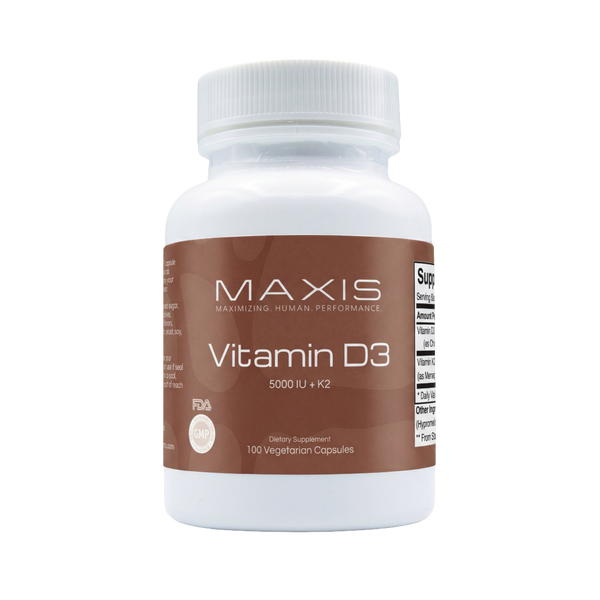
Vitamin D3 + K2
Two foundational fat-soluble nutrients — both support cardiovascula...
$27.99

Grass-Fed Pasture-Raised Beef Collagen (Vanilla)
Omega-3 supports joint comfort; collagen supports the connective ti...
$39.99
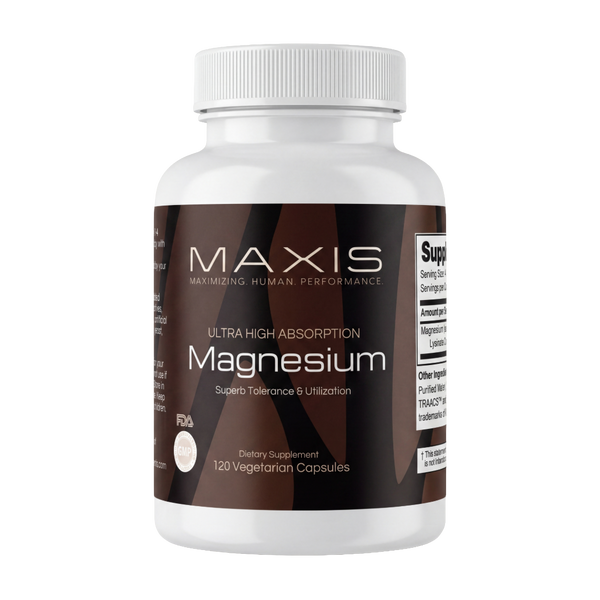
Magnesium
Magnesium and omega-3 are two of the most commonly underconsumed nu...
$29.99
*These statements have not been evaluated by the Food and Drug Administration. This product is not intended to diagnose, treat, cure, or prevent any disease. Consult your healthcare provider before starting any supplement regimen. Individual results may vary.
Omega-3 Fish Oil (EPA + DHA)
$29.99 · $1.13 per serving · 30-day supply at 2 softgels/day